
19/10/2026 04:43
What Should Viewers Watch Next? YouTube End Screens for Cambodian Phone Repair Shops
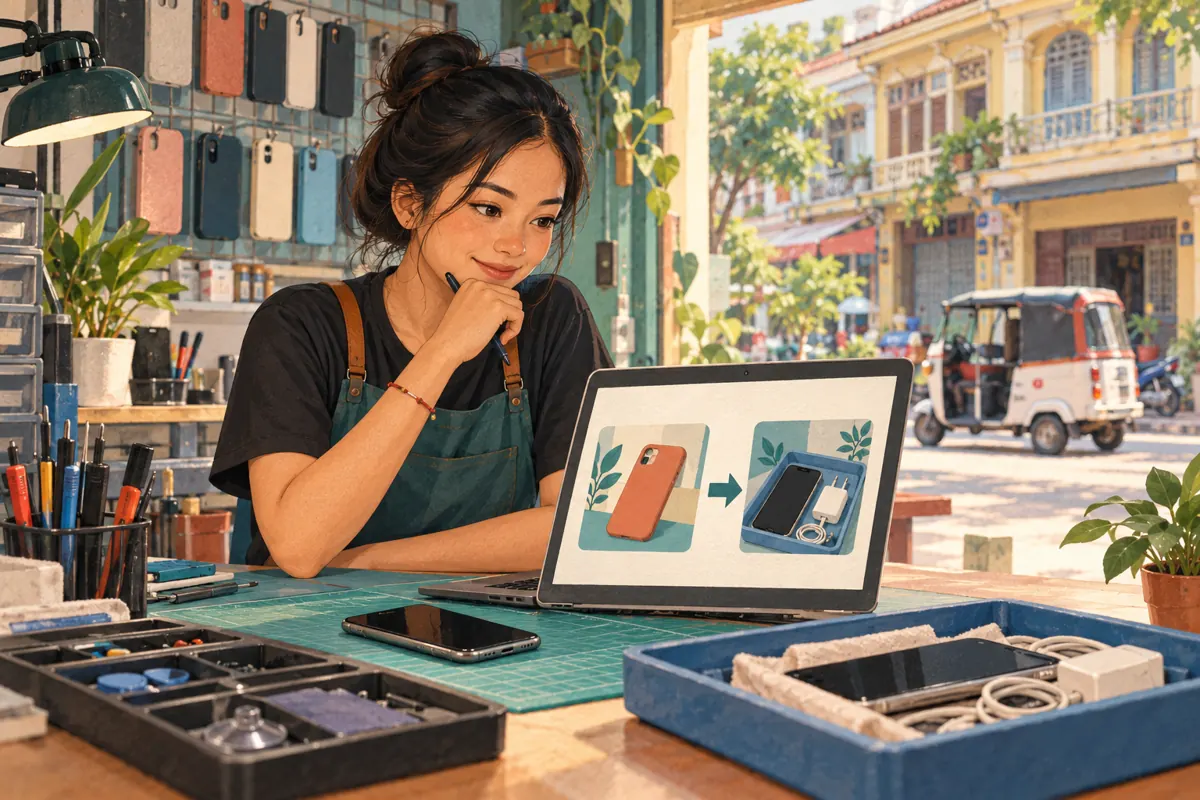
A helpful YouTube tutorial can end with an unanswered practical question: what should the viewer do next? For a Cambodian phone repair shop, that next step might be learning what to bring for an inspection or understanding the shop’s repair approval process. Choosing that follow-up deliberately gives the video a useful continuation. This guide explains how to plan, build and check that journey before promoting the original upload. It also addresses a decision familiar to SMM-panel customers: whether buying more views would solve the problem. A view count cannot establish that someone understood the tutorial, followed the recommendation or needs a repair in Cambodia. Start by making the next step worth taking.
1. Define the question left after the tutorial
Consider a hypothetical phone repair shop in Phnom Penh. Its first video explains how to identify a phone model using information the owner can already access. Someone watching may want a replacement case, while another person may be preparing to ask about a repair. Sending both viewers straight to a general sales video leaves that difference unresolved. The shop should first decide which need the original tutorial was designed to address.
Write one sentence before choosing an end-screen destination: “After watching this, the intended viewer still needs to know what information to bring to a repair enquiry.” That sentence becomes the selection rule. It keeps the ending connected to the viewer’s task. If the tutorial instead helps people choose accessories, select a relevant accessory guide. Do not force every upload into the same repair-booking journey simply because bookings matter to the business.
2. Choose a destination that earns the recommendation
For the hypothetical repair enquiry, shortlist existing videos that explain preparation, intake or approval. Watch each candidate from beginning to end. Does it answer the next question promptly? Does it describe what this shop actually does? Would a customer understand the explanation without watching several earlier uploads? Reject a candidate whose introduction promises practical preparation but spends most of its time advertising unrelated accessories.
Prefer a modest, complete answer over an ambitious unfinished series. A short explanation of what happens at the counter can be more useful than a broad repair compilation. Check the spoken language as well: a Khmer tutorial should ordinarily lead to a follow-up that its intended audience can understand. If the next video uses English technical terms, explain those terms within that video. Geographic relevance comes from accurate shop information and applicable advice, not from inserting Cambodian place names into an otherwise unrelated recommendation.
3. Build the follow-up before promoting the first video
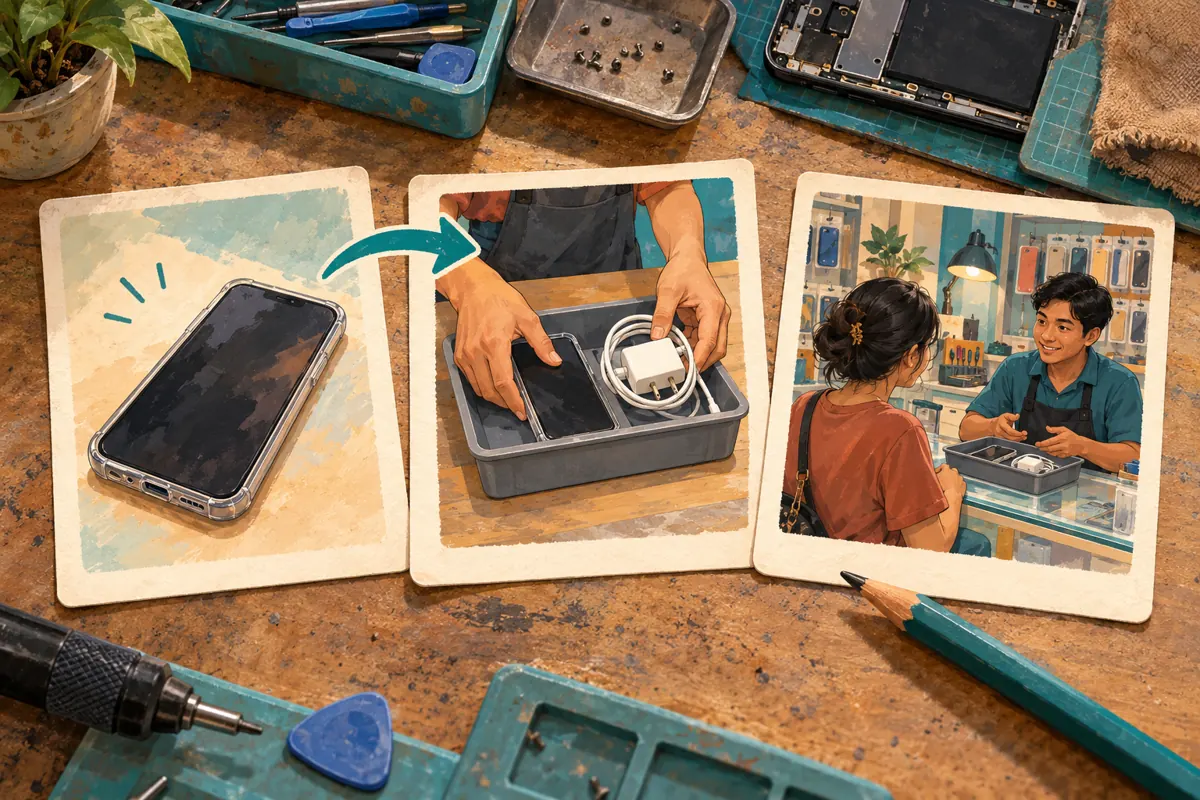
If no suitable destination exists, create it before adding a promise to the original video. For this hypothetical shop, the follow-up could show an empty intake tray, explain which accessories staff may ask customers to bring, and describe how an inspection differs from approving a repair. The owner should verify every statement against the shop’s actual process. Avoid implying that every fault can be diagnosed immediately or that bringing a charger guarantees a particular outcome.
Use a demonstration device and invented paperwork rather than a customer’s unlocked phone or real repair record. Open with the promised answer, then explain any exceptions. End with the shop’s actual enquiry route. This makes the second video useful independently, including for someone who encounters it first. A strong destination also prevents a common waste of effort: promoting an introductory tutorial while the practical information needed afterwards remains missing.
4. Check whether an end screen fits the upload
YouTube Help says end screens occupy the final 5–20 seconds and require a video at least 25 seconds long. They are unavailable on videos designated made for kids. In YouTube Studio, open Content, select the video, then choose Editor and End screen. Add a specific video, adjust its placement and timing, preview, and save. These instructions come from YouTube’s “Add end screens to videos” guidance, listed in the sources.
Treat eligibility as a practical gate. If the feature is unavailable, do not alter an accurate audience designation to obtain it. For this workflow, choose a specific follow-up so the spoken recommendation can name the destination precisely. Keep a written reference to that destination alongside the script. This helps the editor distinguish the intended preparation guide from an older video with a similar thumbnail or title.
5. Design an ending that does not interrupt the answer
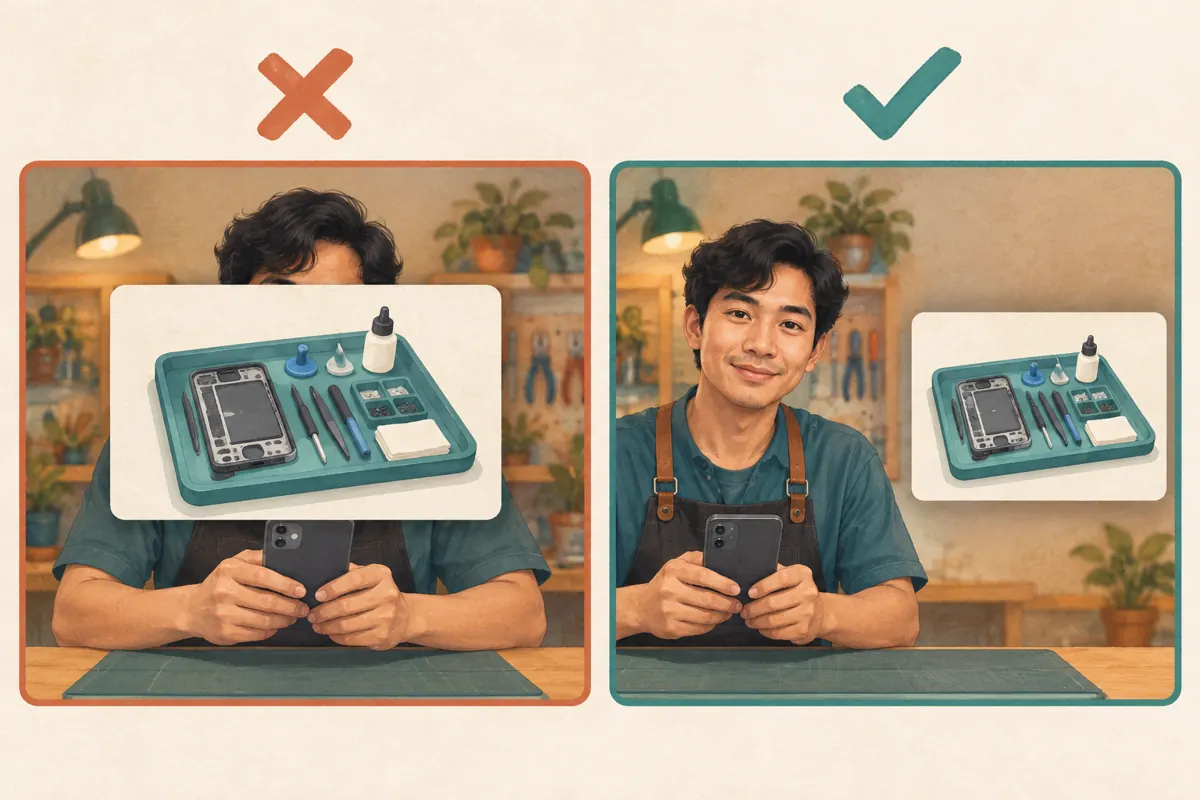
Finish the essential explanation before transitioning to the recommendation. In the hypothetical model-identification tutorial, the last important close-up should remain unobstructed. Then move to a calmer composition with space beside the presenter. A suitable closing sentence would be: “If you are bringing this phone for inspection, watch our guide to what happens at the repair counter.” It explains the benefit and identifies who needs the next video.
Avoid stacking requests to subscribe, comment, share, visit, call and watch another upload into the same ending. Choose the action that follows naturally from this tutorial. YouTube’s official article about hiding end screens confirms that viewers can dismiss the overlays for the current viewing. It also advises keeping important visuals clear. Design the underlying footage to remain understandable even when someone hides the recommendation or decides that the current answer is sufficient.
6. Keep the route usable without the overlay
YouTube notes that end screens may display differently or not appear in some contexts. Therefore, mention the follow-up’s recognizable title aloud and include a clearly labelled reference in the description. This gives an interested viewer another way to find it. Keep the wording consistent: “Preparing for a Phone Inspection” should not become “Repair Prices” in the closing narration if the destination does not explain prices.
For Cambodian customers, separate information that helps everyone from details that depend on visiting the shop. The preparation explanation can stand alone; the description can state the actual location and enquiry method. Avoid creating urgency around an evergreen guide. If opening hours, service availability or intake arrangements change, review the destination’s practical instructions. A technically working link can still send viewers to outdated advice, so destination checks should include content accuracy.
7. Understand what the SMM-panel listing cannot establish
The supplied catalogue includes the exact public service name “YouTube Unique Views - [PMV™ - Pure Mobile Views] ~ For Videos without Ads ~ 1k-10k/day ~ Instant ~ 𝗥𝗘𝗙𝗜𝗟𝗟 90D”. Its title presents it as a views service, but the brief provides no explanatory description. Treat its delivery language and branded terms as catalogue claims, not independently verified facts. Nothing supplied establishes Cambodian audience origin, genuine interest or an official YouTube affiliation.
YouTube’s fake engagement policy prohibits artificially increasing engagement metrics and says a hired promoter’s violations can affect the channel. Artificial traffic may be excluded from counts. These rules make buying artificial views unsuitable for testing this journey. Purchased engagement is not evidence of sales, ad delivery or Cambodian users. A panel order also cannot establish that the chosen follow-up answers a useful question. Put the effort into the destination, editing and legitimate distribution; do not buy engagement to manufacture evidence that the sequence works.
8. Run a complete viewing check before sharing
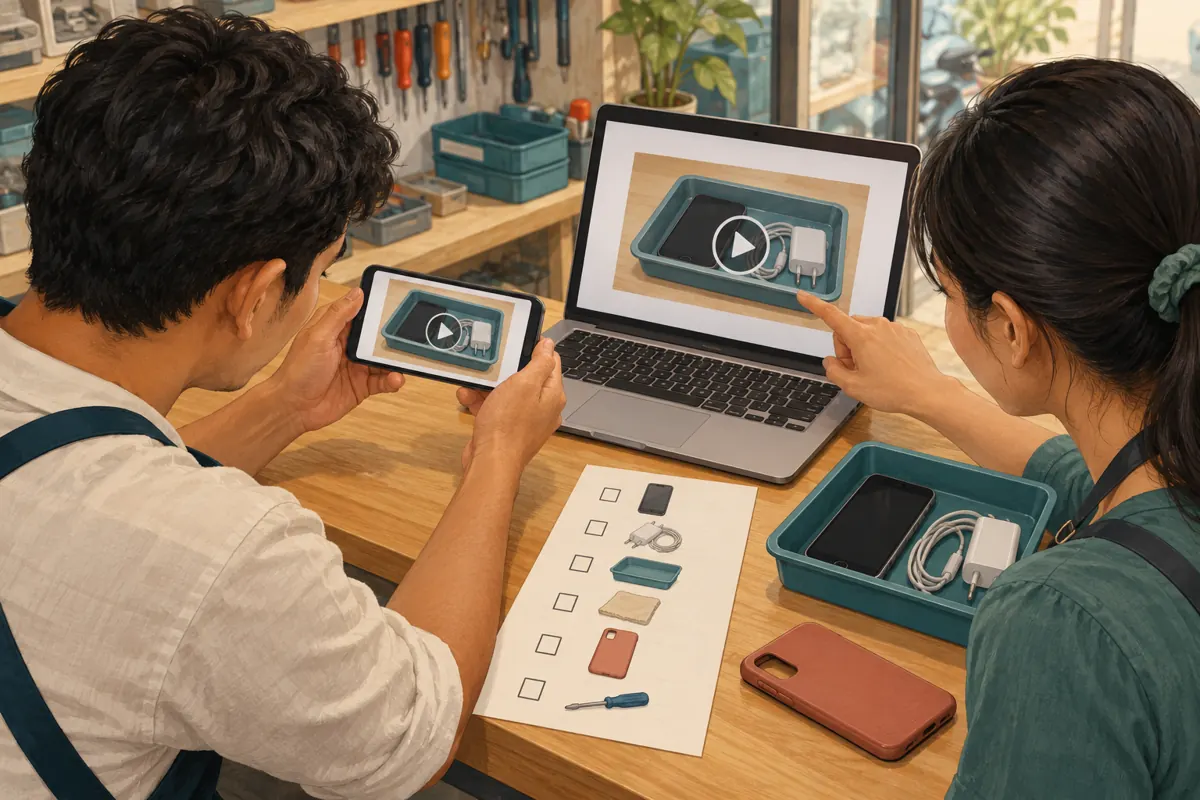
Ask a colleague who did not edit the videos to follow the journey as an ordinary viewer. Start the original upload before its closing explanation rather than jumping directly to the final frame. Listen to the recommendation, identify the suggested destination and open it. Check whether the destination’s first explanation delivers what the original video promised. Repeat the practical check on a phone and a computer where available.
Use a simple release decision. Share the sequence when the answer is complete, the recommendation is understandable and the correct destination opens. Hold it when the destination is unavailable, the overlay obscures essential content or the closing promise is inaccurate. If a colleague cannot tell why they should watch the next video, rewrite that sentence before changing the artwork. Record specific faults such as “recommendation covers model label” rather than vague feedback such as “ending feels weak.”
9. Share the tutorial where its answer is useful
Introduce the original video through the shop’s existing communication channels with a concrete explanation of whom it helps. In this hypothetical example: “Unsure which phone model to mention when asking about an inspection? This guide shows where to check.” Use it in a customer conversation when it answers that person’s question, rather than sending an unrelated promotional link. The customer should receive useful information even if they never visit the shop.
Keep the first distribution effort focused enough to understand the context of any feedback. If you change the original video, destination, closing sentence and distribution approach simultaneously, later observations become difficult to interpret. There is no need to invent a target click rate. First establish that the sequence works and that viewers are being invited for a relevant reason. Broader promotion becomes more worthwhile once the shop can stand behind both videos.
10. Review the transition and fix the right problem
YouTube’s end-screen guidance identifies the “End screen element click rate” card in a video’s Analytics Engagement tab. Use the available information as evidence about interaction with the recommendation, while keeping repair enquiries and completed jobs separate. A click does not identify someone as a Cambodian customer. Likewise, a person may find the first tutorial sufficient and leave without needing the next one.
Review one specific uncertainty at a time. If viewers ask what the next video covers, clarify the closing sentence. If they reach the follow-up but still ask what happens at intake, improve that explanation. If the destination describes an obsolete process, correct it before further sharing. Avoid swapping to an unrelated popular upload just to chase more clicks. Maintain a short change note with the original video, destination, reason for the revision and date, then allow fresh observations to inform the next decision.
Frequently asked questions
Should every tutorial recommend the shop’s newest video?
No. Choose according to the question that remains after the tutorial. A newer upload about phone cases may be irrelevant to someone preparing for a repair enquiry. Keep the preparation guide as the destination while it remains accurate. Replace it when another video answers that next question better, and update the spoken recommendation if necessary.
What if the shop has only one useful video?
Let that video deliver a complete answer and a clear enquiry route. Do not promise a follow-up that has not been produced. Make the second video when there is a distinct question worth answering. A small library with a sensible connection is more useful than several rushed uploads created merely to fill recommendation slots.
Does an end-screen click show that someone wants a repair?
It shows interaction with the recommendation, not a purchase intention. The person could be researching, learning for someone else or watching from outside Cambodia. Establish customer needs through the enquiry itself. Keep viewing observations separate from what a customer actually tells staff and from any repair they later authorize.
Should the next video always be in Khmer?
Match the audience served by the original tutorial. For a Khmer-speaking audience, a Khmer follow-up usually makes the transition easier. A shop serving a different language group may choose otherwise. Check comprehension through the actual narration and explanations rather than assuming that familiar product brands make an unfamiliar language accessible.
Can a panel service fix a low end-screen click rate?
A purchased count cannot tell you whether the recommendation is relevant or understandable. Artificial engagement also conflicts with YouTube policy. Review the closing promise, destination and viewing context instead. If there is little information available, acknowledge that uncertainty rather than treating a small fluctuation as proof of success or failure.
Explore the current service catalogue, create an account, or ask a specific question through support tickets.
- YouTube Help: Add end screens to videos
- YouTube Help: Fake engagement policy
- YouTube Official Blog: Hiding end screens—what YouTube creators need to know
Prepared with AI assistance. Illustrations explain the workflow and do not represent customer results.