
20/10/2026 13:03
Does the English Title Promise an English Class? YouTube Translations for Cambodian Pottery Studios
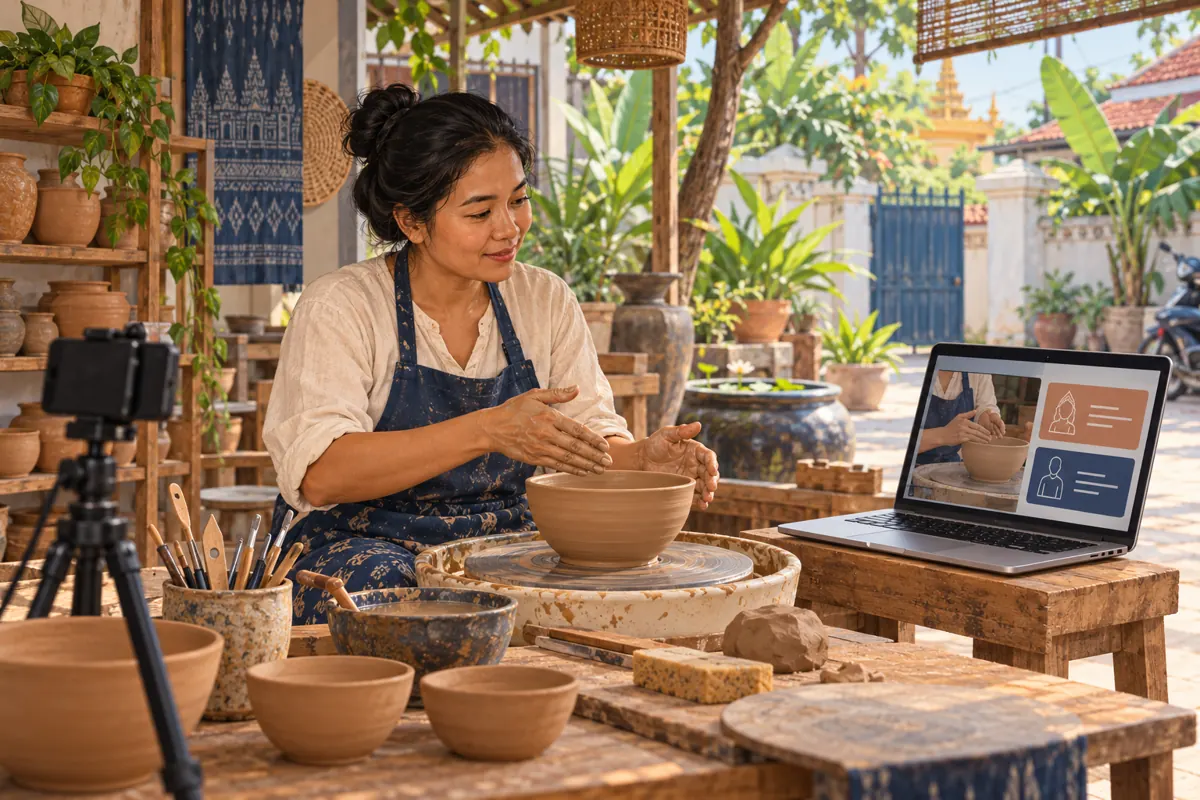
A pottery demonstration can look welcoming in any language, but its title may promise more than the studio intends. An English-speaking viewer might assume that an English title means English instruction, immediate collection of finished pottery or a class they can join without booking. For a Cambodian workshop promoting sessions to local residents and visitors, those misunderstandings matter more than a larger view count. Translated YouTube titles and descriptions can explain the same offer to different readers, provided the wording stays connected to what the studio actually delivers. This workflow starts with one existing video, checks its promises, prepares a useful translation and follows the viewer through to an enquiry. It also explains how to assess a relevant SMM-panel listing without confusing purchased engagement with language access or booking demand.
1. Choose one video with a clear booking question
Begin with a demonstration that answers something a prospective participant genuinely needs to know. A video showing a beginner shaping a small bowl is a better starting point than a general montage of the studio. The first gives the translation a concrete subject: what someone will try during the session. Watch the entire recording before drafting, including any spoken conditions near the end.
Consider a hypothetical studio in Siem Reap. Its instructor explains the activity in Khmer, while some enquiries arrive in English. The studio wants viewers to understand the beginner session before asking about availability. Its immediate goal is therefore a correctly understood enquiry, not an international audience of unspecified size. Write that goal beside the video link so the translator and booking staff work toward the same outcome.
2. Separate the title language from the teaching language
Treat three things separately: the language of the title and description, the speech in the video, and the language available during the actual class. These may differ. An English description can accurately introduce a Khmer demonstration, but it should tell readers what support they can expect. Never let the translation silently turn a Khmer-led session into an English-taught course.
For the hypothetical studio, an appropriate opening might explain that the video demonstrates bowl shaping with Khmer narration and that visitors should confirm their preferred instruction language before booking. Only mention English assistance if the studio can provide it. Likewise, do not announce subtitles merely because somebody has translated the description. Ask a colleague to identify every language promise in the draft and check each against the real experience.
3. Build a short sheet of facts that must survive translation
Before writing attractive copy, record the activity, intended experience level, location, booking method and collection arrangements. Add any confirmed inclusions or exclusions that could change a customer's decision. In pottery, shaping an object and collecting a finished piece are different stages. If drying, firing or another process affects collection, obtain the studio's actual explanation rather than supplying a convenient estimate.
Give the reviewer the same fact sheet as the translator. Mark uncertain details as questions to resolve, not blanks to fill creatively. For example, if staff have not confirmed whether glazing is part of the advertised session, the translation should not introduce a complete make-and-finish experience. This small preparation step prevents fluent wording from becoming an unsupported offer.
4. Write a title that names the activity honestly
Draft the translated title around the visible activity and the viewer's purpose. For the hypothetical video, an English option is “Beginner Bowl-Shaping Session in Siem Reap: What You Will Try.” That wording is suitable only if the recording actually presents that session. Avoid phrases such as “English pottery course” unless the teaching language and course format are both confirmed.
Use the description to carry the conditions that do not belong in a compact title. Its opening should explain what the video shows, followed by instruction language, booking arrangements and relevant collection information. Keep the studio name and location spelling consistent with its other public materials. Translate the meaning naturally instead of preserving awkward sentence order, but retain the strength of every condition: “ask about availability” must not become “places available.”
5. Add the translation to the existing YouTube video
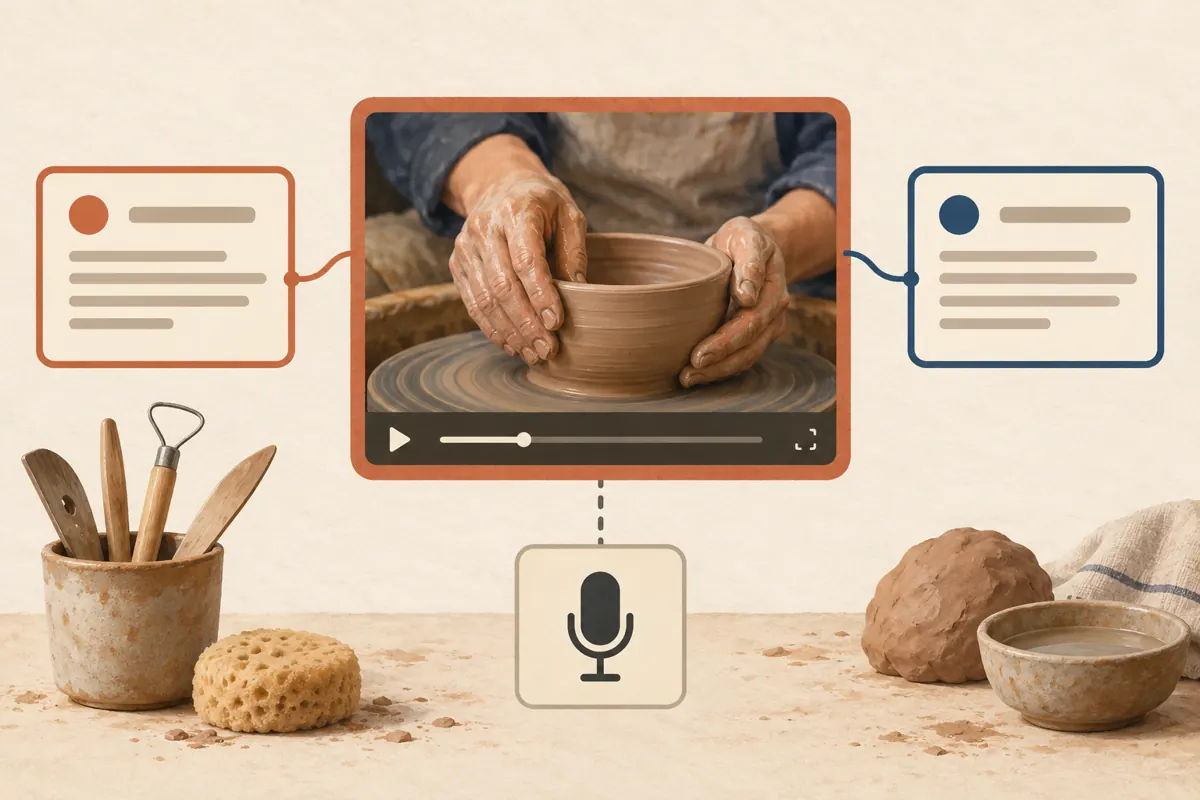
YouTube supports translated titles and descriptions on an existing video. Its documented workflow is to open YouTube Studio, select Subtitles, choose the video, then use Add language. Under Title and description, select Add, enter the reviewed translation and publish it. If prompted, confirm the video's language first. See the official instructions: [Translate your own video titles & descriptions](https://support.google.com/youtube/answer/6289575?hl=en).
Check the original language setting rather than changing it merely to match the audience you hope to reach. YouTube documents this under Content, the selected video, Show more, then Language and captions certification. The setting helps identify the original language. See [Change the language of your uploaded video](https://support.google.com/youtube/answer/6304325?hl=en). For this workflow, keep a record of the original wording, translated wording and review date so future corrections are traceable.
6. Review meaning with someone who understands the workshop
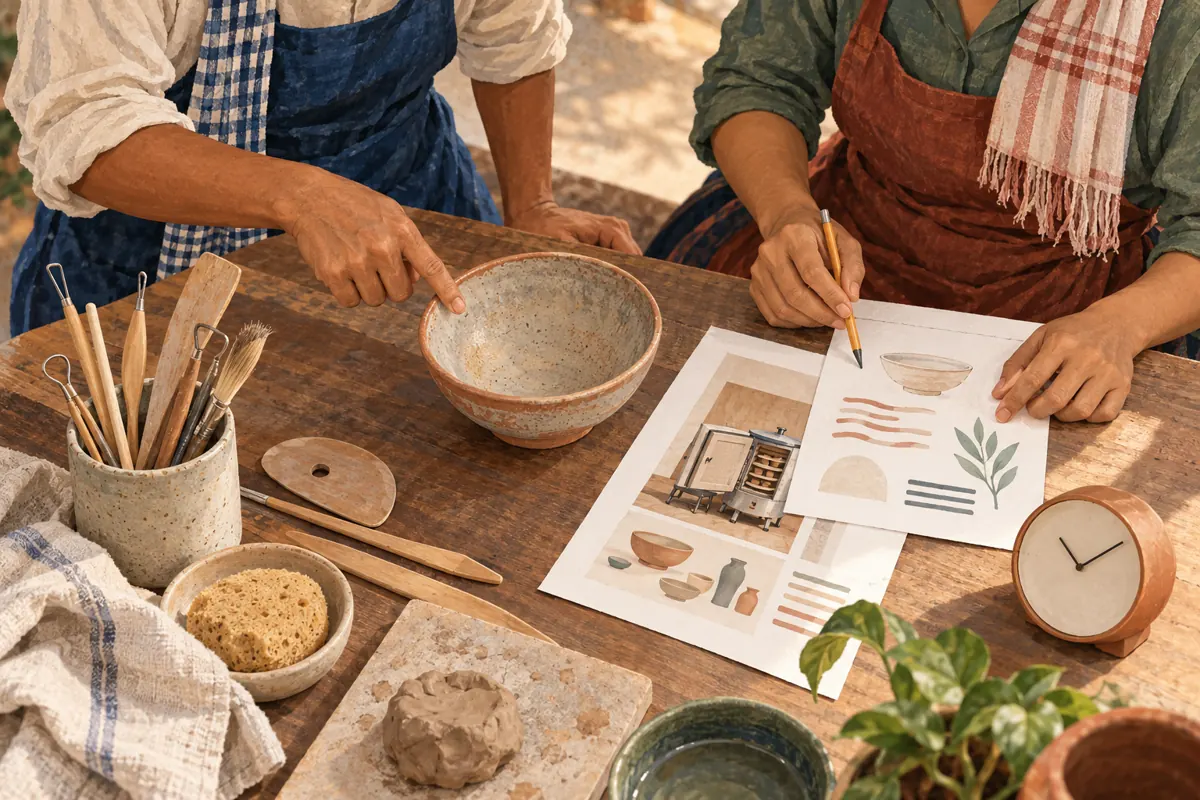
A reviewer should compare the translation with both the recording and the fact sheet. Ask them to explain the offer back in their own words: what will the participant do, who is it suitable for, which language is available, and when can the pottery be collected? If their explanation differs from the studio's offer, revise the wording before promoting the video.
Pay particular attention to specialist terms. A beginner may not understand firing, glazing or wheel throwing without a brief explanation. Choose accessible language without removing important distinctions. Machine translation can help produce a draft, but a smooth sentence is not proof of accuracy. In the hypothetical studio, a reviewer might catch that “make your own bowl” sounds like taking home a completed bowl immediately. Adding the actual collection condition resolves that ambiguity.
7. Check what happens after the description
Open the public video on a phone and inspect the information a visitor can actually use. Check the destination of the booking link and whether the contact details are readable. Ask a target-language reader to follow the enquiry instructions without coaching. Their task is to find out how to request a session, not to praise the translation or the video.
Prepare the receiving staff as carefully as the description. A useful enquiry request might ask for a preferred date, number of participants and preferred instruction language. Keep that request consistent with the team's booking process. If the contact page cannot support the translated language, explain how assistance works. A polished introduction followed by an incomprehensible booking form creates a new obstacle rather than removing one.
8. Apply a separate decision process to SMM-panel offers
The supplied catalogue includes “YouTube - Views ~ 𝐋𝐢𝐟𝐞𝐓𝐢𝐦𝐞 ~ 1k-2k/days ~ [ 𝐒𝐨𝐮𝐫𝐜𝐞: Mixed ]”. Its name identifies it as a views listing, but the brief provides no supporting description. The wording does not establish a delivery method, Cambodian audience, language preference, genuine interest or advertising placement. Do not treat the title's promotional claims as verified specifications.
Before considering any provider, ask what it actually does and whether its methods comply with YouTube's rules. YouTube prohibits artificial inflation of engagement and says a hired promoter's actions can affect the channel. Artificial traffic may be excluded and can lead to enforcement. Review [YouTube's fake engagement policy](https://support.google.com/youtube/answer/3399767?hl=en). Decline methods that manufacture engagement; an unexplained method is not a sound basis for approval.
For this translation project, purchasing a count cannot answer whether the wording is clear or the class suits a viewer. Spend effort first on language review, an accurate demonstration and a usable enquiry route. If promotion is later commissioned, specify the permitted activity and require evidence appropriate to that activity. Keep any provider's delivery report separate from evidence of enquiries and confirmed bookings.
9. Evaluate comprehension before claiming marketing success
Review the questions that arrive after the translation is introduced. Do people understand what they will make? Are they still asking whether instruction is available in English? Are collection expectations accurate? Record recurring misunderstandings in a simple review log without copying unnecessary personal details. These observations help identify what to revise even when the number of enquiries is small.
Distinguish an enquiry from an accepted booking. A viewer asking about a date may still find the session unsuitable. Likewise, a change in views does not demonstrate that the translation caused sales. Seasonality, sharing and other content changes can all complicate comparisons. Change one major wording issue at a time when practical, note when you changed it, and describe conclusions cautiously rather than presenting a small observation as proven growth.
10. Prevent old translations from creating new promises
Assign someone to revisit all language versions when the underlying offer changes. A revised collection arrangement, different instructor availability or new booking destination can make a previously accurate translation misleading. Keep the language versions together in the working record, with the person responsible for checking them. Update the facts across versions before sharing the video for a new promotion.
Common mistakes include stuffing place names into titles, adding unconfirmed inclusions, translating only the attractive opening and leaving important conditions behind. Another is assuming that English readers are necessarily overseas tourists. Language preference does not establish nationality or location. Write for the reader's task and knowledge level. The best version lets a suitable participant ask a specific question while helping an unsuitable participant recognise the mismatch early.

Frequently asked questions
Should the studio translate every video at once?
Start with a video that answers a recurring customer question and represents an offer the studio still provides. Translating the entire archive creates a larger maintenance task, including outdated sessions and old collection arrangements. Use the first video to establish a fact sheet, review process and booking handoff. Expand when the team can maintain the additional versions accurately.
Can an English description promote a class taught mainly in Khmer?
Yes, provided it explains the instruction language clearly and describes only the assistance the studio can actually offer. Some visitors may be comfortable with visual demonstrations; others may need detailed spoken guidance. Let them make that decision with accurate information. Ask about language needs before accepting a booking rather than assuming an English enquiry means the session will work for that person.
What should the reviewer do if there is no direct translation for a pottery term?
Explain the action in familiar words and retain the technical term only where it helps. Ask the instructor to demonstrate what the term means, then have the reviewer describe that action back to them. The priority is that a beginner understands the activity and its limits. Avoid replacing an unfamiliar process with a familiar but inaccurate promise about the finished result.
Does a translated title guarantee more Cambodian viewers or bookings?
No. It gives another language version of the information, but it does not establish who will watch or whether they will book. Assess whether readers understand the offer and whether enquiries contain the details staff need. Neither purchased engagement nor a higher visible count proves Cambodian audience origin, genuine interest, sales or advertising delivery.
What should the studio do when the collection schedule is uncertain?
Do not invent a collection date to make the description sound complete. Explain that collection timing must be confirmed and identify the contact route for checking it. Before accepting a booking from someone with a departure deadline, staff should establish whether the studio can meet that requirement. Once arrangements are confirmed, apply the same accurate condition to every language version.
Explore the current service catalogue, create an account, or ask a specific question through support tickets.
- YouTube Help: Translate your own video titles & descriptions
- YouTube Help: Change the language of your uploaded video
- YouTube Help: Fake engagement policy
Prepared with AI assistance. Illustrations explain the workflow and do not represent customer results.