
22/10/2026 19:03
Hem Photo or Fitting Booking? Instagram Enquiry Triage for Cambodian Alteration Shops

A photograph of long trousers does not tell an alteration shop whether the sender wants a price, a fitting or advice about keeping the original hem. When an Instagram promotion invites messages without explaining the next step, staff must discover the customer's intention through repeated questions. For Cambodian tailoring businesses, a useful enquiry process starts with the garment, the requested change and the customer's deadline. This guide explains how to connect an alteration demonstration to a clear conversation, reuse wording carefully and confirm appointments without promising work prematurely. It also explains why an SMM-panel follower service cannot establish whether anyone needs an alteration.
1. Give each promotion one enquiry job
Choose one alteration problem for the post: shortening trousers, adjusting a sleeve or replacing a damaged zip. Show enough of the garment to explain the problem, followed by the detail that affects the work. A close view of stitching may demonstrate care, but viewers also need to understand which alteration the shop is offering to assess.
End with a specific invitation. A hypothetical Phnom Penh shop could write: “Need trousers shortened? Message us with a photograph of the trousers and tell us when you need them. We will explain the next assessment step.” This requests useful information without promising a price or completion date. Identify the shop's actual neighbourhood and whether customers need to bring garments in. Someone outside the practical service area should learn that before spending time photographing several outfits.
2. Separate the customer's question from the garment
Read the whole message before choosing a response. “Can you do this?” might mean whether the shop handles denim, whether a particular finish is possible or whether the work can be completed before an event. The photograph alone cannot resolve those differences. Begin by identifying the decision the customer wants help making.
Use three internal enquiry categories: information requested, assessment needed and appointment requested. These are suggested working labels, not claims about Instagram features. A person asking about opening hours belongs in the first category; an unclear seam photograph belongs in the second. Someone proposing a visit belongs in the third, but has no confirmed appointment yet. Keep the category in a simple private work record so the next staff member knows what remains unanswered.
3. Request photographs that answer a real question
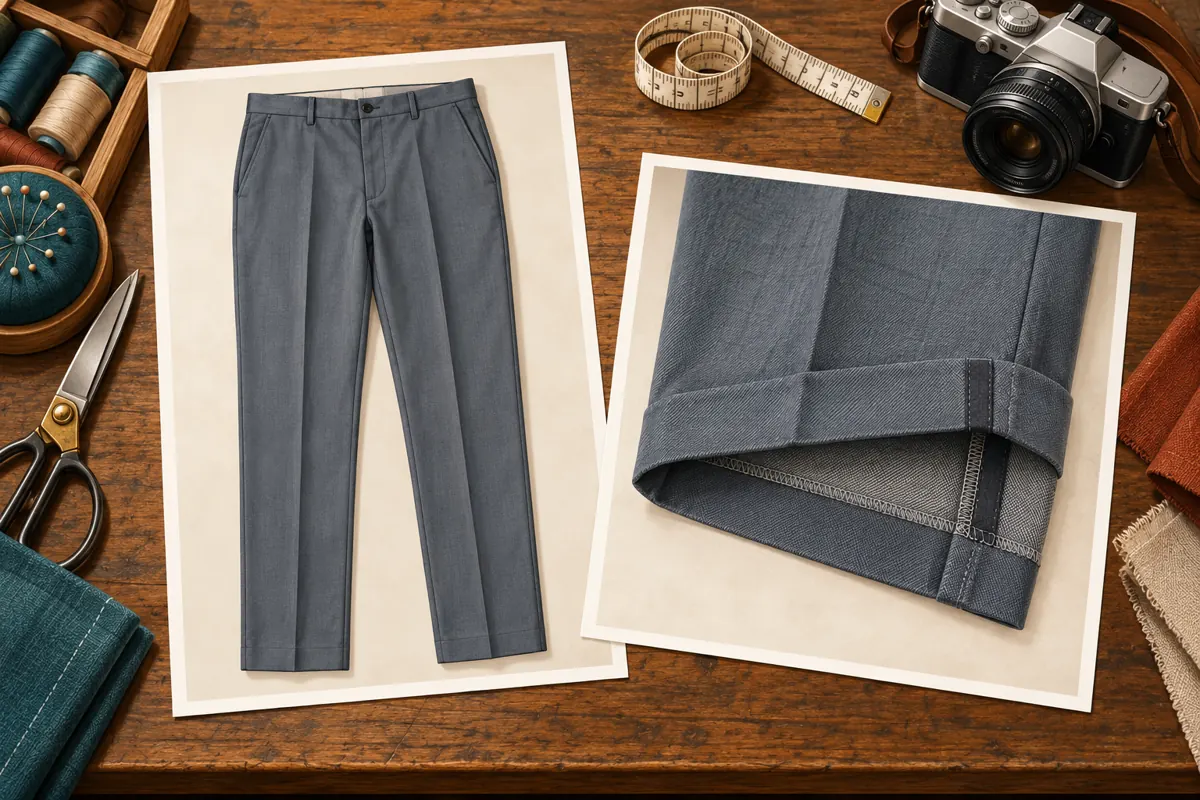
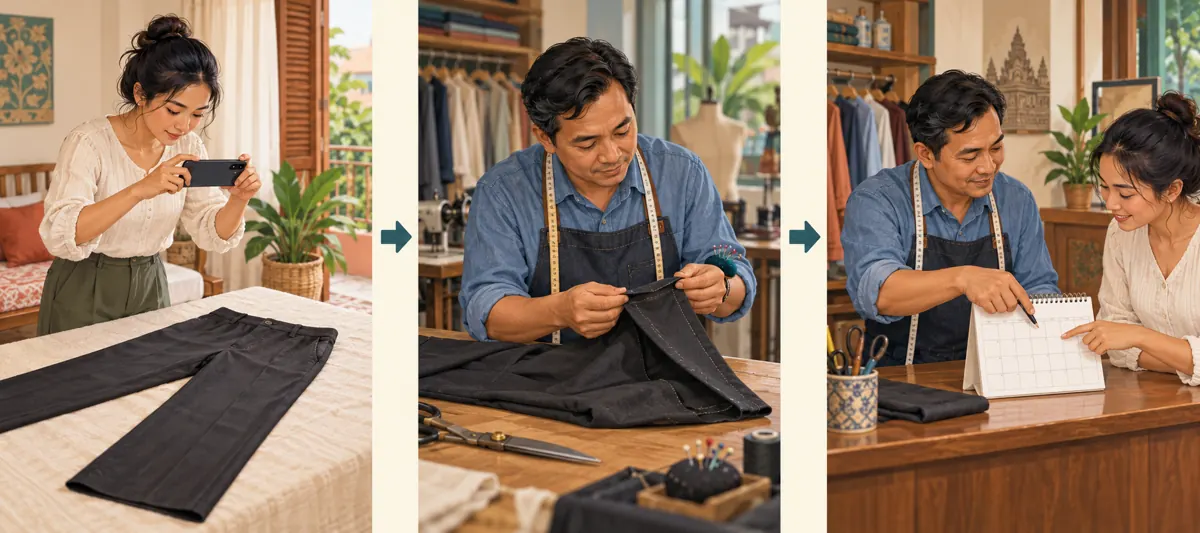
For a trouser-shortening enquiry, start with an overall photograph of the garment laid flat and a closer photograph of the existing hem. Explain the reason: the first identifies the garment and its shape; the second helps the tailor see the current finish. Request another view only when it resolves a particular uncertainty, such as whether there is a lining.
A hypothetical reply could say: “Please photograph the trousers laid flat, then the hem from nearby in good light. Tell us whether you want to keep its current appearance. You do not need to wear the trousers for these first photographs.” Avoid requesting faces, home addresses or unrelated personal details. Photographs support an initial discussion; they do not establish exact fit, fabric behaviour or whether a proposed alteration is feasible.
4. Prepare reusable wording with a human review step
Keep a small approved reply library in a staff document and manually adapt the wording for each Instagram conversation. Start with photo requests, assessment explanations, visit arrangements and confirmation messages. This workflow does not depend on a particular app menu or automation feature. Each reply should answer the present question and request only the next necessary detail.
Before sending, remove anything the customer has already answered. If they supplied a clear hem photograph, acknowledge it instead of asking for it again. Replace generic references such as “your item” with “the blue trousers” when that description is accurate. Never save a previous customer's name, appointment time or quoted amount inside a reusable message. Keep changing details out of the template so staff must supply them deliberately.
5. Make language and measurements explicit
Prepare Khmer wording for customers who prefer Khmer and English wording where useful. Have someone fluent review the meaning of each version, especially the difference between an estimate, an inspection and a confirmed booking. Translating a polite sentence is insufficient if one version accidentally promises completion while the other only offers assessment.
Ask customers to specify the unit whenever they provide a measurement. Also distinguish the amount they want removed from the final length they want. In a hypothetical conversation, “shorten by three centimetres” and “make the finished inside leg this length” require different checks. Staff should restate the request and explain when a fitting is necessary. Do not instruct customers to cut fabric or remove stitching to make a photograph clearer; that could change the garment before assessment.
6. Separate deadlines, visits and completion promises
Ask for the date the garment is needed, then check whether the shop can assess it in time. The customer's event date is a requirement to evaluate, not an accepted deadline. A fitting appointment, a garment drop-off and a collection appointment are also different commitments. Name the type of visit in every scheduling message.
For example, a hypothetical customer needs trousers for a Saturday ceremony and asks to visit on Thursday. The shop can offer an assessment visit only after checking availability. Its message should explain that feasibility, price and completion timing remain subject to inspection. Once both sides agree, send a concise confirmation containing the calendar date, local time, shop location, visit purpose and anything to bring. Record the agreement rather than treating a friendly acknowledgement as acceptance of every detail.
7. Decide when to stop using a template
A reusable reply is suitable when the answer is stable and the request is ordinary. Move to a personal response when photographs conflict with the description, the customer mentions a previous alteration or the deadline requires a judgement about workload. Delicate fabric, sentimental garments and uncertainty about the requested finish also deserve individual attention.
Use a simple decision sequence: can the current information answer the question, would one additional detail resolve it, or is physical inspection needed? Answer directly in the first case, ask a focused question in the second and explain the inspection requirement in the third. Avoid sending a long sequence of standard questions merely because they exist in the library. If the shop cannot assess the work confidently, say what it can check during a visit.
8. Evaluate the SMM service against the actual bottleneck
The supplied public catalogue includes “Instagram Followers ~ 𝗢𝗹𝗱 𝗔𝗰𝗰𝗼𝘂𝗻𝘁 ~ Max 1M ~ 200k/day ~ Instant ~ 𝐍𝐎 𝗥𝗘𝗙𝗜𝗟𝗟”. Its title presents it as an Instagram follower service. No separate description was supplied, so the title's account, capacity and delivery wording should not be treated as independently verified facts. Nothing supplied establishes a Cambodian audience, garment-related interest or an ability to manage enquiries.
If the problem is incomplete photographs or ambiguous bookings, that service does not address the missing information. Purchased engagement is not evidence of genuine interest, sales, ad delivery or Cambodian users. Instagram's published guidelines prohibit artificially collecting engagement, and Meta has described enforcement against fake-engagement providers. Check those boundaries before considering a purchase. [Instagram Community Guidelines](https://www.facebook.com/help/477434105621119?locale=en_GB), [Meta's enforcement explanation](https://about.fb.com/news/2020/10/taking-action-against-fake-engagement-and-ad-scams/). For this workflow, prioritise clearer demonstrations and dependable replies.
9. Keep enquiry records separate from panel records
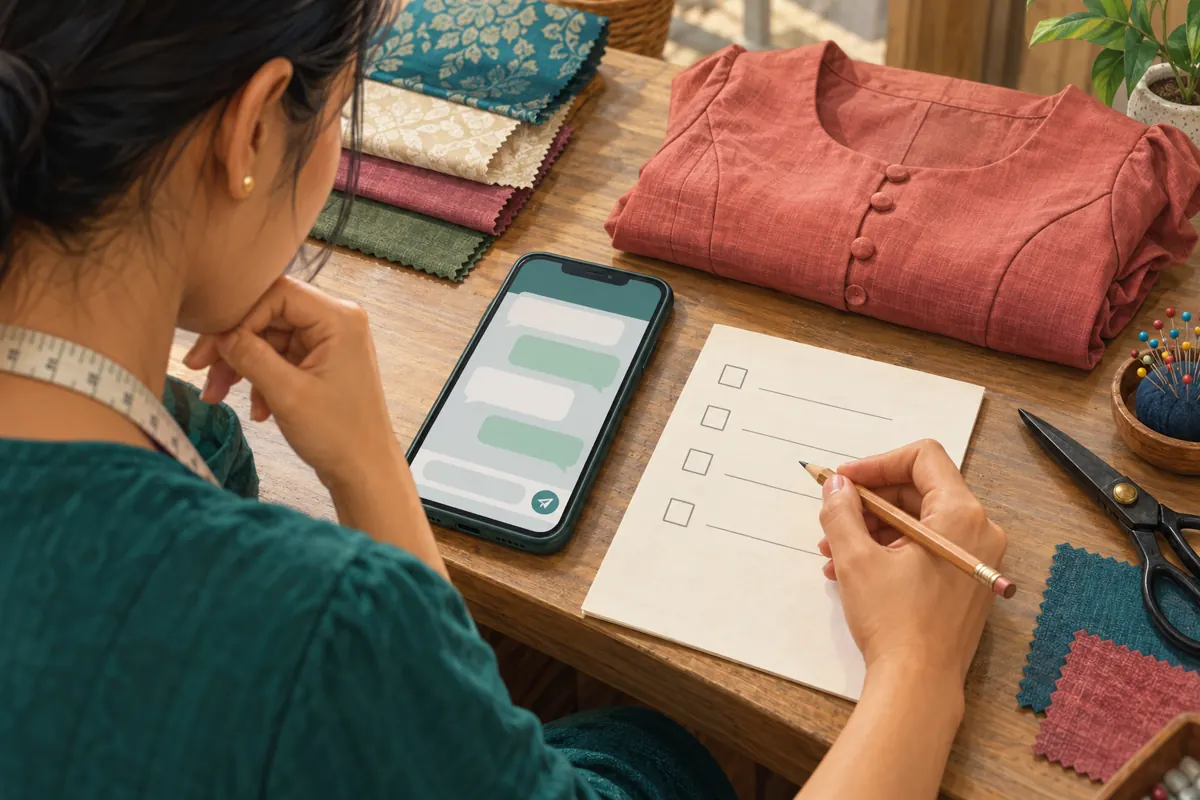
Maintain a minimal enquiry record: conversation reference, garment type, requested change, missing information, next action and responsible staff member. Record an appointment only when its details have been agreed. Keep customer photographs and contact information accessible only to staff who need them for the work; avoid copying them into broad marketing reports.
If the business has an existing panel order, keep its service title, order reference, target and status in a separate operational record. A delivery update belongs there, not in the list of customers awaiting fittings. For promotion review, examine whether conversations contain enough information for a useful answer and whether agreed visits happened. If a customer volunteers which post prompted the enquiry, record that as their statement. Do not infer attribution from a follower-count change.
10. Correct mistakes at the point where they arise
The most disruptive mistake is confirming too much with too little information. “Yes, bring it tomorrow” may sound like acceptance of a price, deadline and alteration method. Replace that ambiguity with the specific purpose of the visit. Another mistake is letting an old reply promise opening hours or turnaround arrangements that no longer apply.
Assign one person to maintain the reply library and review it whenever shop arrangements change. If a message contains an error, correct it in the same conversation with the accurate detail and ask for acknowledgement when the change affects a visit. Do not quietly rely on a later public post to fix a private promise. When an enquiry becomes a dispute, pause the template sequence and let someone review the actual conversation and garment history.
11. Test the journey before promoting another demonstration
Run a staff rehearsal using a hypothetical enquiry. One person sends a vague question, another responds, and a third checks whether the exchange ends with a clear next action. Repeat with a missing photograph, an unclear measurement and an urgent deadline. Use shop-owned sample garments and invented details rather than exposing a customer's conversation.
Check the public post as well as the reply. Does it show the alteration clearly? Does the invitation match the first question staff ask? Can someone distinguish an assessment visit from collection? Revise the point where uncertainty appears. After publishing, review recurring questions for useful content improvements, such as a short demonstration of the photographs to send. Keep that educational content free of customer identities and unverified claims about demand.
Frequently asked questions
Should we quote a price as soon as someone sends a photograph?
Only give an answer that the available information supports. If the shop has a genuine fixed price for a clearly defined alteration, explain its scope and exclusions. Where construction, condition or fit could change the work, explain what needs inspection before a final quote. Do not invent a low starting figure to keep the conversation going.
What if the customer cannot provide useful photographs?
Offer a practical alternative, such as an assessment visit during an agreed period, if the shop can accommodate it. Explain what to bring and what the visit will establish. Avoid making repeated photo requests when the customer lacks a suitable camera, lighting or confidence; the aim is enough information to choose the next step.
Can the same reply serve Khmer-speaking and English-speaking customers?
Use separate reviewed versions rather than one crowded bilingual block by default. Match the customer's preferred language and preserve the same commitments in both versions. Pay particular attention to dates, units and whether the message offers an assessment or confirms work. Ask a fluent colleague to resolve ambiguity instead of guessing.
Does a larger follower count show that the enquiry workflow works?
No. Review the conversations themselves: whether customers understand the requested information, whether staff can respond appropriately and whether appointments are explicitly agreed. A follower total cannot establish those outcomes. Keep any purchased activity separate from evidence about local demand, and do not present it as customer endorsement.
How many reusable replies should a small shop prepare?
Begin with the few recurring situations staff can describe precisely: initial information, photographs, inspection arrangements and confirmation. Add another only when a repeated need justifies it. A short library with clear ownership is easier to keep accurate than many overlapping messages that staff must search while a customer waits.
Explore the current service catalogue, create an account, or ask a specific question through support tickets.
Prepared with AI assistance. Illustrations explain the workflow and do not represent customer results.