
21/10/2026 17:53
Queued but Not Confirmed? Telegram Stock Announcements for Cambodian Plumbing Shops
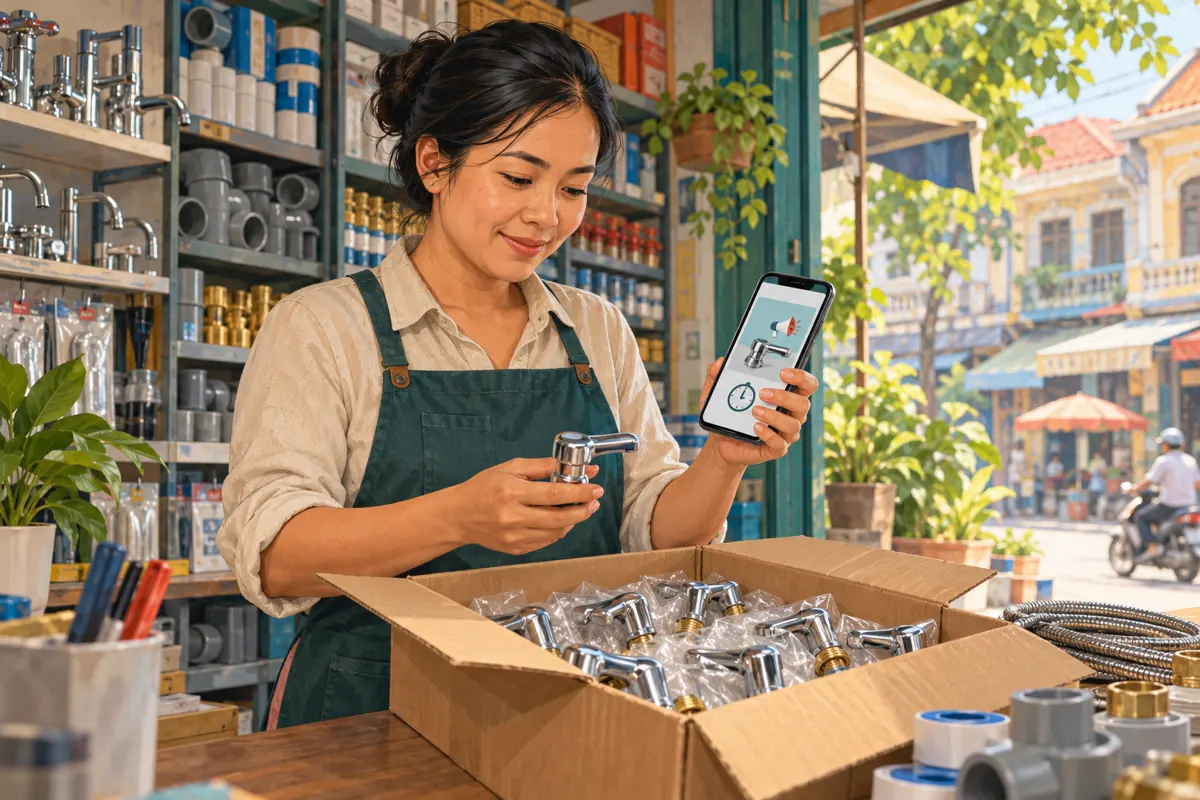
A stock announcement can be beautifully prepared and still send customers to a shop for the wrong item. For Cambodian plumbing retailers, replacement tap handles are a useful example: similar photographs can hide different fittings, and an expected delivery may contain only part of the requested range. Scheduling a Telegram announcement saves attention during busy counter hours, but it also separates the moment someone writes a promise from the moment customers read it. This guide explains how to manage that gap, review changes before publication and keep any SMM panel activity separate from evidence of actual demand. The shop, products and situations described below are hypothetical.
1. Decide what the announcement actually promises
Imagine a hypothetical Phnom Penh plumbing shop expecting replacement tap handles before its afternoon pickup period. An assistant prepares a post saying the handles are available. That sentence contains several promises: the shipment has arrived, the pictured model is included, the shop can sell it and someone can answer compatibility questions. A supplier's dispatch message establishes none of those facts by itself.
Choose the announcement's purpose before choosing its publishing time. A confirmed-stock post invites enquiries about items already checked. An arrival update describes a delivery still being processed. An educational post explains how to identify a handle without promising availability. Keep those purposes distinct. If stock remains uncertain, prepare useful identification content or leave the sales announcement as an unscheduled draft. A convenient time slot is not a reason to turn an expectation into a fact.
2. Make a compact stock reference before drafting
Create a small internal reference for the exact item being promoted. Record the shop's product identifier, handle shape, finish, fitting details, included pieces and the person who inspected it. Note whether the photograph shows the current batch or an older sample. You do not need a complex inventory system to establish these basics; a clear record beside the draft is enough.
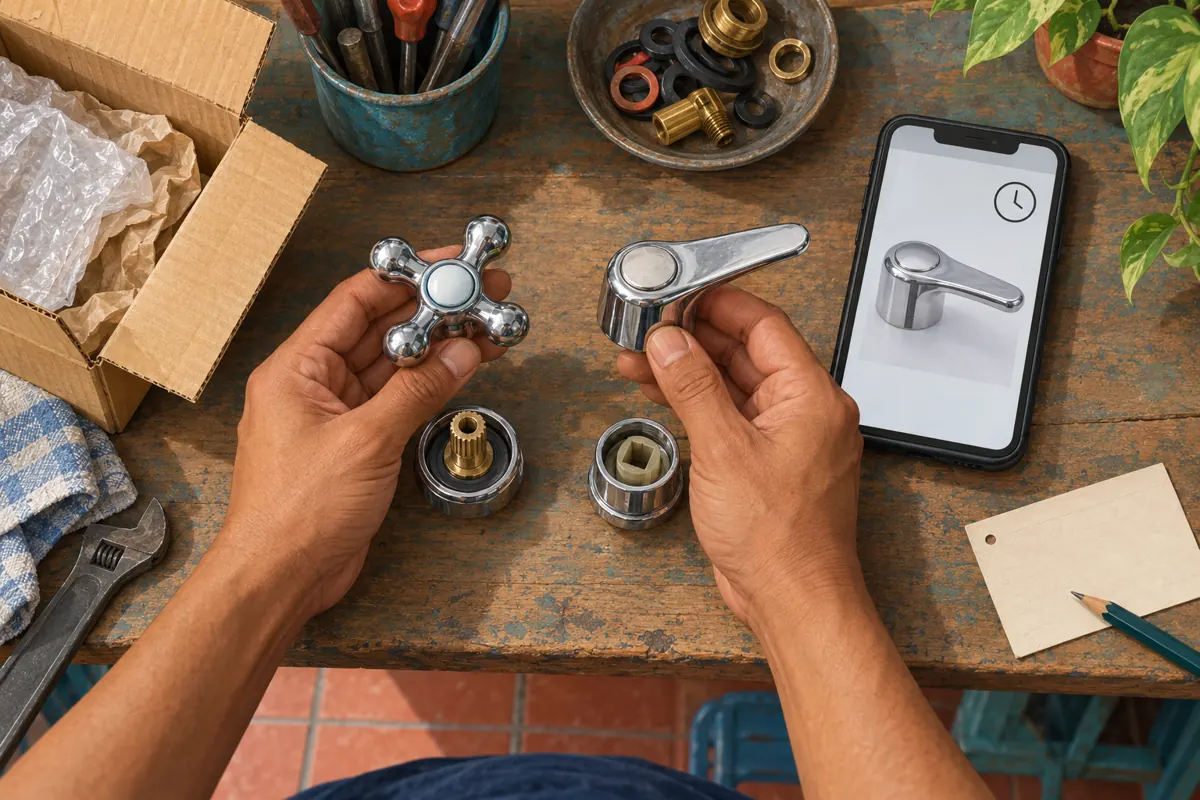
For the hypothetical shop, a cross-shaped handle and a lever handle belong in separate entries even if both look chrome-coloured. Photograph the underside when it helps explain the difference, but do not imply that appearance alone proves compatibility. State what information the shop needs from a buyer before advising. Keep internal supplier paperwork and customer details outside the public image. The reference should let another staff member check the announcement without guessing which carton or product the author meant.
3. Schedule only after checking the destination and wording
Telegram documents scheduling through the send-button menu: hold Send, choose Schedule Message and select a future time. Its scheduling feature also works in Saved Messages for personal reminders. Use the controls shown in your current app and confirm that you are composing in the intended shop channel. [Telegram's scheduling guide](https://telegram.org/blog/scheduled-reminders-themes)
Before confirming, read the post as a customer who has never visited. Does it identify the replacement part, explain what is included and provide a practical enquiry route? Replace vague phrases such as 'everything available tomorrow' with a precise statement supported by the checked stock. Include a calendar date where timing matters, rather than relying entirely on 'today' or 'tomorrow'. Review the selected publication date and time against the shop's Cambodian operating schedule, especially when the person preparing content is travelling or working elsewhere.
4. Give the queued post a separate review deadline
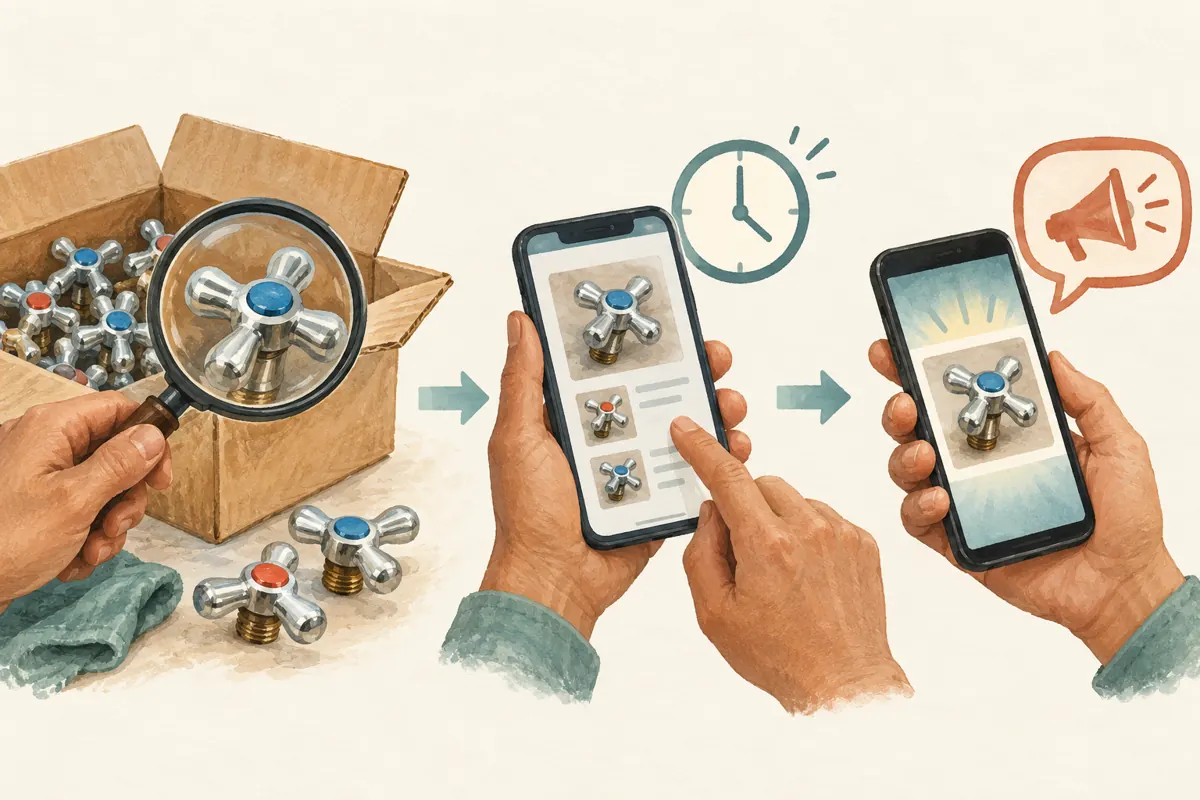
Set a review deadline before the public release. This is an editorial checkpoint, not a claim that Telegram checks inventory. Assign one person to compare the queued message with the current stock reference and another available colleague as backup. Leave enough time to change the wording or remove the announcement if the shipment is incomplete.
In the hypothetical example, the assistant prepares the announcement in the morning, while the person receiving the delivery must confirm the actual models before the afternoon release. The team agrees that silence means the stock claim remains unconfirmed. If nobody completes the check, the responsible editor removes the queued sales post rather than letting it publish by default. Record the checkpoint somewhere staff already consult. A reminder buried in an unrelated conversation will not reliably protect a scheduled promise.
5. Use a clear keep, revise or remove decision
Keep the scheduled post when the pictured item, availability, included pieces and enquiry arrangements remain correct. Revise it when the underlying offer is still useful but a detail has changed. Remove it from the queue when the central promise is unsupported, such as an unopened shipment being described as ready for collection. Telegram's technical documentation confirms that scheduled messages can be edited, rescheduled or deleted without being sent. [Telegram scheduled-message documentation](https://core.telegram.org/api/scheduled-messages)
Suppose the hypothetical delivery contains cross-shaped handles but none of the lever handles pictured in the draft. Changing only the caption leaves a misleading image. Replace the relevant creative and review the entire offer, or withdraw that announcement. Do not keep pushing the release time forward on an unverified delivery estimate. A fresh factual check should determine the next release, particularly when customers may travel to collect the part.
6. Match the publication time to the shop's ability to respond
A useful publishing time is one when the business can fulfil the next step it requests. If the post asks people to send photographs of their existing handles, arrange for someone who understands the products to review those messages. Publishing during a period when the counter is unattended can create a queue of unanswered questions even when the stock information is accurate.
Use customer language that fits the shop's audience. A Cambodian retailer may need Khmer explanations alongside genuine model names, while keeping technical identifiers consistent. Have a fluent colleague check any customer-facing translation. Ask for the minimum useful details: the relevant product photograph, model information if available and whether collection or delivery is being discussed. Explain that an enquiry does not reserve stock unless the shop explicitly confirms a reservation. This gives staff and buyers the same understanding of what happens next.
7. Keep Telegram scheduling separate from SMM panel services
The supplied public catalog includes the exact service name 'Telegram Auto Post Views [Last 1 Post]'. Its title indicates a post-view service, but the supplied description is empty. That is insufficient evidence to explain which post it selects, when it checks for posts, how delivery works or whether a queued announcement qualifies. Do not treat the word 'Auto' as proof that it publishes content or synchronises with Telegram's scheduler.
Before considering this listing on indonesia-smm.com, seek written clarification of the required target, selection rules and relevant order terms. If those details remain unclear, leave the service unused. A scheduled message, a published channel post and a panel order are separate objects with separate records. Purchased engagement is not evidence of genuine interest, sales, ad delivery or Cambodian users. Do not present a larger counter as customer endorsement or assume the service has official Telegram affiliation.
8. Check the published result before sharing it further
After release, inspect the actual channel post. Confirm the image, date, availability statement and enquiry route, then copy the published reference for staff. A correct draft does not replace this final check. If someone notices an error, address the customer-facing information promptly and consider a clear follow-up when readers could already have acted on the original promise.
Telegram explains that channel view counts are approximate and include views of forwarded copies. They therefore cannot tell the shop how many distinct local buyers are considering the handle. [Telegram Channels FAQ](https://telegram.org/faq_channels)
For the hypothetical shop, useful outcomes include an enquiry with enough information to assess compatibility, a confirmed reservation and a completed collection. Record those outcomes separately. Ask buyers which announcement they mean when the reference is unclear, rather than assigning every new conversation to the latest post.
9. Avoid the mistakes that create contradictory announcements
One common mistake is preparing a replacement post while forgetting the original remains queued. Another is changing the product photo without checking its caption. Both can create contradictory offers. Before approving a revision, look through the pending announcements for that product and identify the one intended for release. Give staff a clear handover stating what was changed and what remains scheduled.
Avoid reusing stock language mechanically. 'Back in stock' may be true for one finish and false for another. Likewise, a message about parts arriving does not establish that matching screws or adapters are included. Keep promotional claims tied to the checked item. Do not use purchased views to argue that an unclear post is working, and do not repeatedly publish the same availability promise merely because the earlier counter looks low. Resolve product questions before increasing promotional activity.
10. Review the workflow after the announcement
At the end of the shop's chosen review period, compare the announcement with the questions staff actually received. Did buyers recognise the correct handle? Did they understand whether fittings were included? Did anyone arrive before the stock was ready? These observations reveal specific improvements to the next announcement without requiring speculative claims about reach or algorithms.
Keep a short record of the approved wording, the actual publication reference, any correction and the reason for it. Maintain any panel order record separately, including unresolved service questions. For the hypothetical retailer, repeated confusion about the underside fitting suggests a better product photograph or explanation next time. Delays in answering messages suggest a staffing or timing change. Make the smallest change that addresses the observed problem, then review it again during the next genuine stock update.
Frequently asked questions
Can we schedule a stock announcement while the delivery is still on its way?
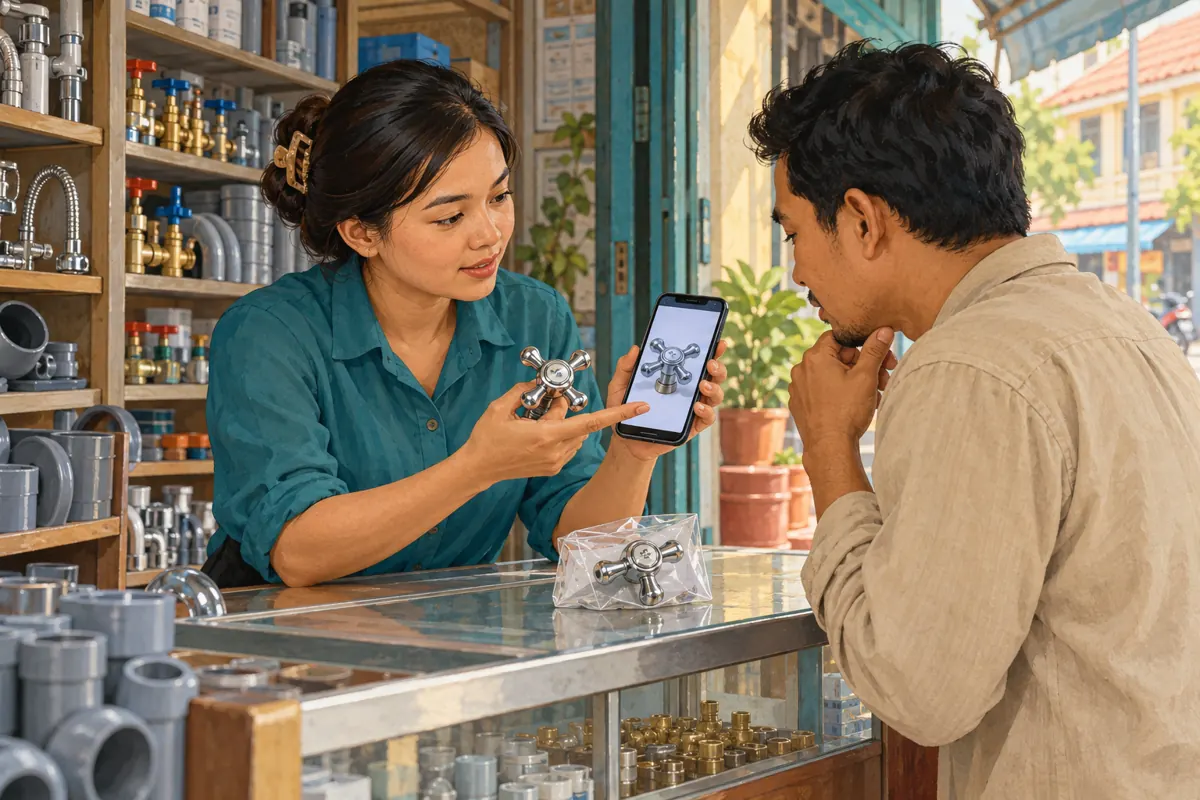
You can prepare the content, but an availability claim needs a reliable check before release. If nobody can verify the delivery in time, keep the sales announcement unscheduled. Alternatively, publish an accurately worded arrival update that makes the uncertainty clear and does not invite customers to collect stock that has not been inspected.
Does turning off the editor's phone stop a scheduled post?
Do not rely on that. Telegram documents a server-side scheduling queue, so switching off the device is not a cancellation method. Remove or change the scheduled item through Telegram and verify the queue afterwards. The important operational step is checking the pending message itself, rather than assuming device availability controls publication.
Will Telegram Auto Post Views [Last 1 Post] select our scheduled announcement?
The supplied catalog information does not establish that behaviour. Its description is blank, and the title does not explain selection timing or eligibility. Ask for written clarification before ordering. Do not assume that a queued message is an eligible public post, or that a service will wait for the announcement you intend.
What if the stock sells before the scheduled announcement appears?
Recheck the available stock and revise or remove the pending offer. Do not leave an invitation to collect an unavailable item simply because the post was previously approved. If the announcement has already appeared, correct the information and make any consequential change clear to people who may have relied on it.
How should a small shop judge whether this workflow helped?
Look for fewer preventable misunderstandings and better-informed enquiries. Review whether customers identified the right part, understood the collection arrangements and received timely replies. Keep confirmed purchases distinct from reservations and questions. View totals, especially when panel activity is involved, cannot establish that the scheduling workflow caused additional sales.
Explore the current service catalogue, create an account, or ask a specific question through support tickets.
- Telegram: Scheduled Messages, Reminders, Custom Cloud Themes and More Privacy
- Telegram technical documentation: Scheduled messages
- Telegram Channels FAQ
Prepared with AI assistance. Illustrations explain the workflow and do not represent customer results.